







Search Results for: makeup and styling

Makeup artist styling inside a Luckin store sparks controversy as hairspray fumes fill the air, with staff admitting they dare not intervene.
Recently, a netizen posted on social media reporting that makeup artists were seen doing makeup for customers inside a Luckin Coffee store, with the smell of hairspray filling the entire space, sparking widespread discussion about food safety and the consumer experience. Many consumers said they had witnessed similar scenes at chain beverage stores such as Starbucks, Peet's, and Heytea, especially at stores near exhibition halls and concert venues. Opponents argue that using spray-type cosmetics in open preparation areas poses a risk of contaminating drinks, while store employees helplessly say that because there are no explicit prohibitions, they fear that intervening would lead to complaints and bad reviews, so they often choose to stay silent. Front Street Coffee has always been concerned about the quality and safety of the coffee consumption environment, and this incident has once again prompted the industry to think about the boundaries of store management. [more…]

On Certificate Day, Starbucks Makeup Session Sparks Heated Debate After Customer Asked to Leave; Store Explains Communication Was Too Loud, Has Refunded Order and Apologized
Recently, a netizen alleged that they were asked to leave while doing makeup at a Starbucks store in Shenzhen on the day they received their marriage certificate, and the incident quickly sparked discussion. According to the netizen's account, they had called the store in advance to confirm that doing makeup was allowed as long as it did not disturb others, but after making a purchase that day, they were still discouraged by the shift manager during the makeup process and even felt insulted. The store involved responded that if the smell or powder of cosmetics affects other customers, staff will step in to remind them, that the shift manager's voice was indeed somewhat loud at the time, and that afterward the full order was refunded and two tall drink vouchers were given. The regional manager has stepped in to communicate. Netizens have differing views on this. Some believe a coffee shop is not a place for doing makeup, while others think normal touch-ups are harmless and that there may be another reason for the conflict. The incident has once again prompted reflection on the boundaries of using public space in coffee shops. [more…]

Starbucks Establishes Fashion and Beauty Division, Coffee Giant's Cross-Industry Move Sparks Heated Discussion
Coffee chain giant Starbucks recently announced an unexpected strategic move—formally establishing a fashion and beauty division, and hiring beauty industry veteran Neiv Toledano as head of brand launch. This action is not a spur-of-the-moment decision; previously, Starbucks launched co-branded products with cosmetics brands such as Kylie Cosmetics and Stonebrick, which received a good market response. As soon as the news broke, netizens' imaginations ran wild, offering suggestions for Starbucks' beauty products, from coffee grounds scrubs to mocha eyeliners, sparking lively discussion. At the same time, some voices expressed concern that frontline employees may face more sales tasks in the future. This article will sort out the ins and outs of Starbucks' crossover into beauty and the reactions from all sides. [more…]

Peet's Coffee's implementation of a minimum purchase requirement for seating sparks debate: can chain brands use this to tackle seat-hogging?
Recently, a Peet's Coffee store in Wuhan placed a "Notice for Entry" at its entrance, explicitly requiring customers to make a purchase before they can be seated. This move quickly sparked widespread discussion among netizens. Many consumers expressed support, believing it can effectively curb uncivilized behaviors such as occupying seats for long periods without buying anything, playing cards, putting on makeup, or even livestreaming. Others questioned the notice's actual enforceability. Previously, Starbucks tried a similar policy, but the results were less than ideal. Whether Peet's move can truly improve the store environment and enhance the customer experience has become a focal point of attention in the coffee industry. [more…]

The Terroir Code of Coffee: How Growing Environment Beyond Genetics Shapes the Flavor in Your Cup
We often hear baristas mention the term "terroir"—what exactly does it mean? The flavor of a cup of coffee is about seventy percent determined by varietal genetics, while the remaining thirty percent comes from the natural conditions of the growing region—latitude, altitude, soil, sunlight, and humidity all working together to give coffee from different origins strikingly different flavor profiles. This article will examine these five dimensions to explain how the environment affects coffee's balance of acidity and sweetness and its rich mouthfeel, and help you understand why high-altitude beans have fuller flavor and why volcanic soil can impart a distinctive acidic aroma to coffee. [more…]
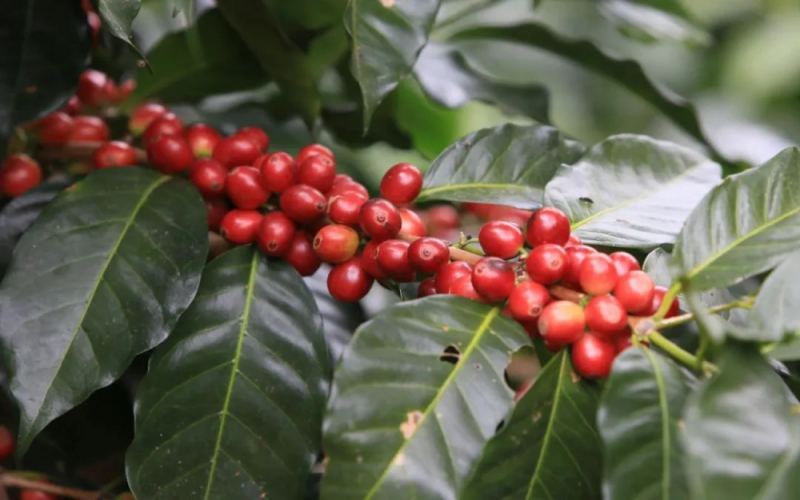
The Varietal Identity and Flavor Code of Catimor: Where Does the "Devil's Aftertaste" Under Its Arabica Lineage Come From?
Is Catimor actually Arabica or Robusta? And how exactly is its "devilish aftertaste" formed? This article begins with the background of Catimor's birth, sorting out the hybrid origins and genetic makeup of this variety, and confirming its classification as having three-quarters Arabica bloodline. It also introduces Catimor's plant characteristics in detail, including tree shape, leaves, and stress resistance, and provides an in-depth analysis of the earthy aftertaste that Robusta genes bring to the flavor, as well as how factors such as high yield and early maturity compound to dilute excellent flavors and amplify undesirable aftertastes. The article also mentions Front Street Coffee's expectations for future improvement of Catimor. [more…]
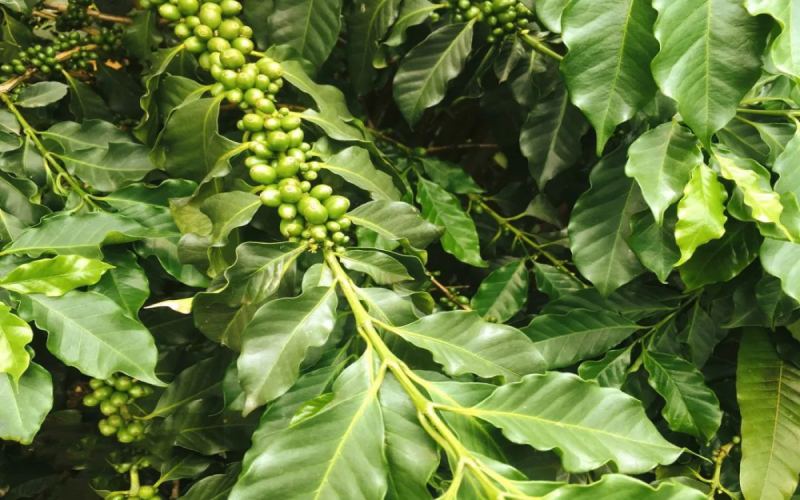
A Complete Analysis of Yunnan Arabica Coffee Varieties: A Century of Planting Changes from Typica to Catimor
What exactly is Yunnan small-bean coffee? And how does it relate to Arabica and Robusta? This article systematically lays out the full picture of Yunnan small-bean coffee, from its cultivation history and variety characteristics to processing methods and flavor expression. You will learn: why is it that Catimor, rather than Typica, is now planted across large areas of Yunnan? How does the genetic makeup of Catimor influence the flavor in the cup? What steps does washed processing specifically involve? And what philosophy does Front Street Coffee adhere to when selecting beans? If you are interested in the past and present of domestically grown coffee, this article is worth a read. [more…]

A Guide to Improving Coffee Flavor Perception: A Complete Analysis from Using the Flavor Wheel to the Mechanisms of Aroma Discrimination
The world of coffee flavor is richly layered, but many people can only taste sourness and bitterness, struggling to capture those stunningly delicate aromas. To truly appreciate the value of an expensive cup of coffee, you need to systematically train your flavor perception. From the perspective of Front Street, this article breaks down the composition of coffee flavor—how taste and aroma combine—explains in depth the chemical makeup and volatile characteristics of coffee aroma, and introduces the two mechanisms by which the human body perceives aroma: orthonasal and retronasal olfaction. At the same time, the article details how to use the Super Clear Flavor Wheel to make abstract flavors concrete, and how to gradually build a personal aroma memory bank by drinking more, smelling more, and feeling more, ultimately improving your precision in discerning coffee flavors. [more…]
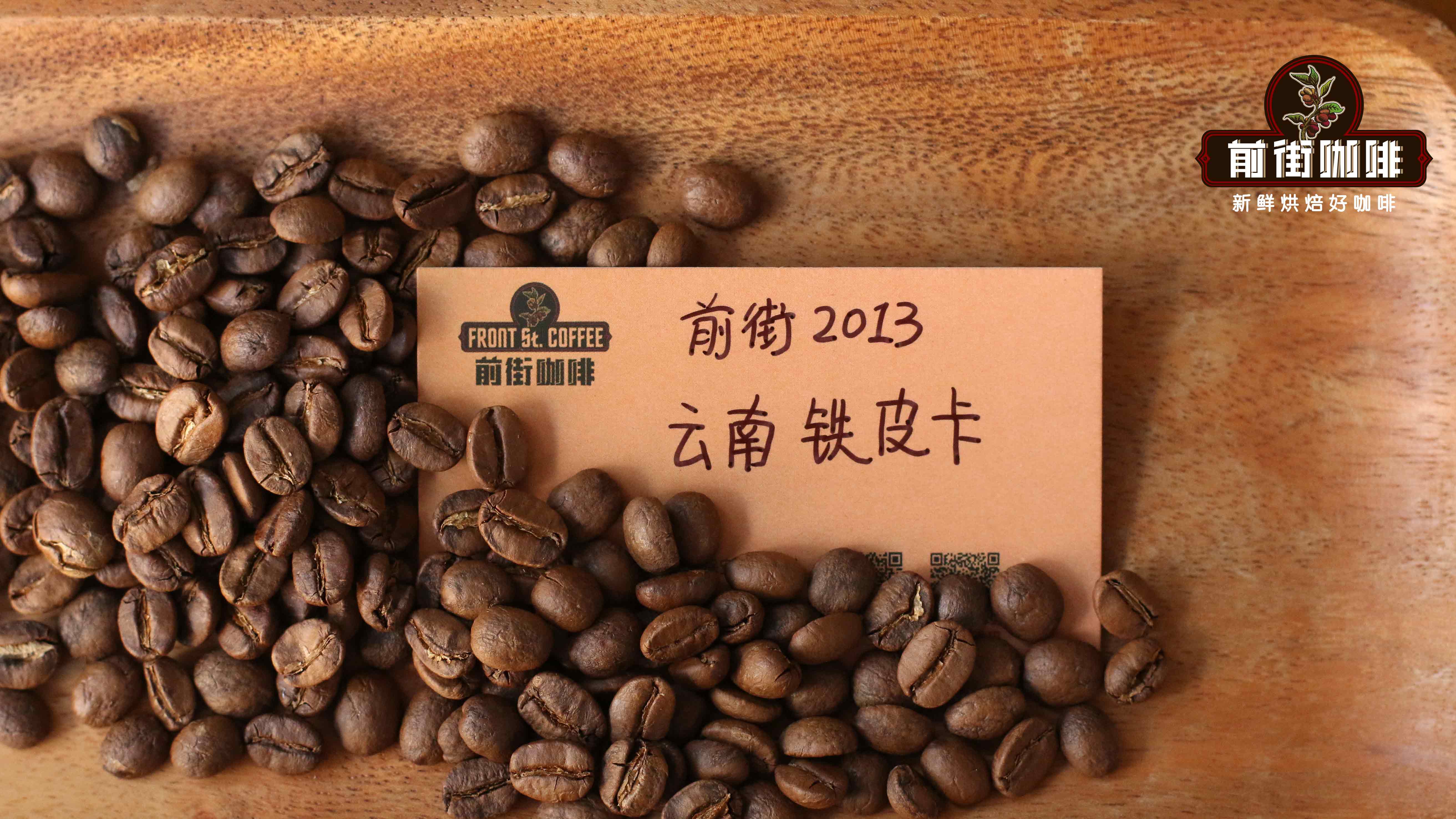
The Varietal Truth of Yunnan Small-Bean Coffee: The Evolution from Typica and Bourbon to Catimor and Their Flavor Differences
Today, Yunnan beans appear more and more frequently on the menus of specialty coffee shops, and people habitually refer to them all as "Yunnan small-berry." But behind this name actually lies a history of variety replacement: the early Yunnan small-berry referred to traditional Arabica varieties such as Typica and Bourbon, while today's Yunnan small-berry is overwhelmingly Catimor. From missionaries introducing the crop and the successful trial planting in Baoshan, to Nestlé promoting the large-scale replacement with Catimor, great changes have taken place in both the flavor and the industrial landscape of Yunnan coffee. This article will sort out the origin of the name small-berry coffee, the past and present of Yunnan small-berry, and the genetic makeup and flavor characteristics of Catimor, and offer currently worthwhile Front Street Yunnan bean choices to try. [more…]
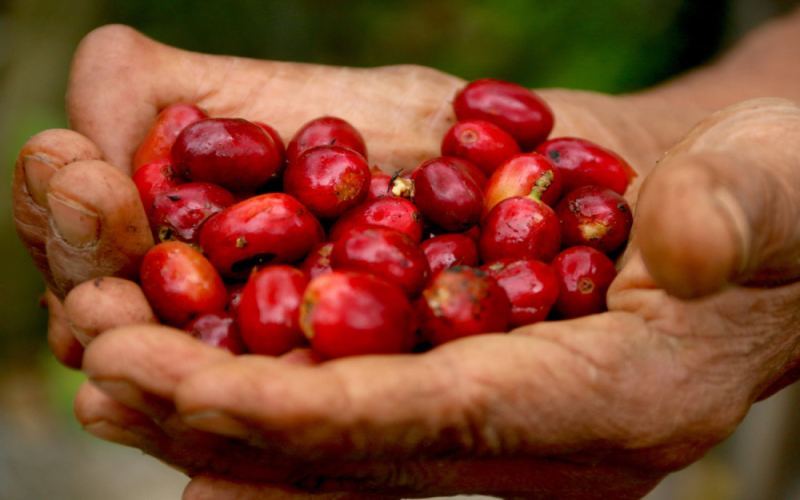
A Complete Guide to Indonesian Coffee Varieties and Regions: Flavor Secrets from Sumatra to Sulawesi
Indonesia is a major coffee-producing country globally, with a wide variety of coffee types and unique processing methods that create highly distinctive flavor characteristics. From the perspective of Front Street, this article systematically reviews the geographical and varietal differences among Indonesia's three main producing regions—Sumatra, Java, and Sulawesi—delves into how the wet-hulling process shapes Mandheling's signature full-bodied mouthfeel, and introduces one by one the origins and characteristics of major cultivated varieties such as S795, Tim Tim, USDA762, Kartika, and Andungsari. Whether you are a coffee professional or enthusiast, understanding the genetic makeup and processing logic of Indonesian coffee will help you more accurately assess batch flavors, predict price trends, and, in daily tasting, decipher that complex cup interwoven with earthy and sweet notes. [more…]
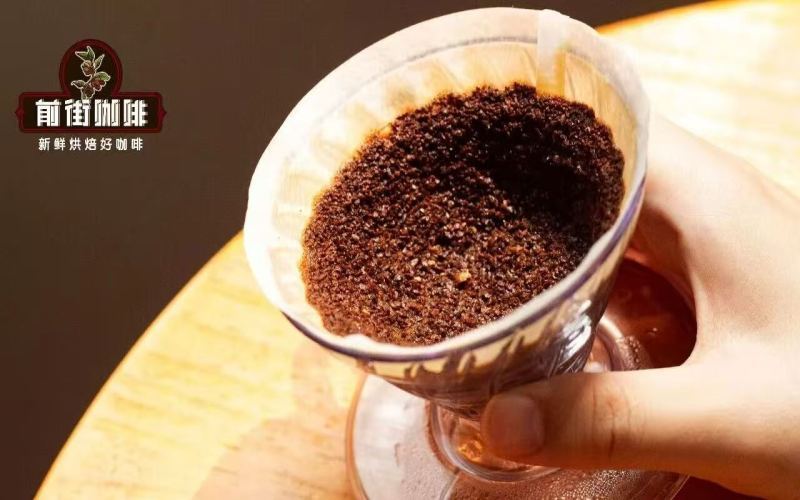
Floral and Fruity Camp in Pour-Over Coffee: Citrus, Berries, Tropical Fruits
Many people, upon trying pour-over coffee for the first time, are amazed by a flavor: it turns out coffee isn't just bitter; it can be acidic, sweet, and aromatic, like fruit tea or flowers. This is the beloved floral and fruity profile in pour-over coffee. Its charm lies in amplifying the original regional flavors of the coffee beans: Ethiopian [more…]

Coconut Palm Group's eighth recruitment drive offers annual salaries up to 480,000 yuan, sparking heated debate and controversy with its changed advertising style.
Coconut Palm Group recently released an advertisement for the eighth intake of its training school for deputy general managers, drawing attention with a maximum annual salary of 480,000 yuan and generous perks such as a car and housing upon enrollment, while also replacing its previous sexy model images with a festive wedding style, sparking heated discussion among netizens. This is not the first time Coconut Palm has found itself in controversy over its advertising—over the years it has persisted in borderline marketing and has been penalized by regulators multiple times, including a 400,000 yuan fine in May this year for using state agency personnel in commercial marketing and for advertising slogans that violate public order and good morals. This article will review the details of this recruitment drive, the changes in advertising style, and Coconut Palm Group's repeated history of marketing violations. [more…]

A European-style coffee shop inside Shanghai First Maternity and Infant Hospital has become a trendy photo spot, and the hospital has responded that it will strengthen management.
Recently, Shanghai First Maternity and Infant Hospital has seen its on-site European vintage-style coffee shop become a popular photo spot for many "influencers" on social media, with related topics continuing to gain traction. Many local residents have reported that the crowds of photo-takers have disrupted normal medical order. Why has this coffee shop become a photography hotspot? How have the hospital and the shop responded? The hospital stated that it will strengthen management by discouraging commercial photography, prolonged occupation of patient rest seats, and the use of large professional equipment such as fill lights, in order to ensure normal medical activities. [more…]

Independent Entrepreneurship or Franchise Chain? Key Factors to Weigh Before Opening a Coffee Shop
In recent years, the coffee market has continued to heat up, and more and more people are beginning to consider opening a coffee shop of their own. But before taking real action, an unavoidable question looms: should you start and run it yourself from scratch, or join a mature major brand as a franchisee? Each path has its pros and cons. Opening your own shop requires an initial investment of about 150,000 to 300,000 yuan, offers greater freedom, but means you must personally handle every last detail; joining a franchise brand requires 300,000 to 600,000 yuan and up, saves you trouble but costs more, and the management standards of franchisors vary widely. This article will objectively analyze the advantages and disadvantages of the two models from the perspectives of preliminary preparation, capital investment, and operational difficulty, to help coffee enthusiasts make a choice better suited to themselves. [more…]

An Analysis of the SCA and Q Grader Certification Systems: Exam Content and a Practical Guide for International Baristas
Want to break into the coffee industry—do you really need to spend money on certifications? The two major international credentials, SCA and Q Grader, are often discussed. SCA uses a credit-accumulation system covering barista skills, pour-over, roasting, sensory, and green coffee, among other areas, allowing students to choose modules as needed; Q Grader, launched by CQI, focuses on green coffee quality evaluation, requiring candidates to pass twenty tests within six days, with the certificate valid for three years. This article breaks down the course structure, exam content, fees, and target audiences of the two types of certification to help you decide which path better suits your career plans. [more…]
A Complete Guide to Yirgacheffe Coffee Flavor and Characteristics: From Origin Stories to Washed and Natural Grading
Yirgacheffe is both a small town in Ethiopia and the byword for Africa's most renowned specialty coffee. This wetland, sitting at 1,700 to 2,100 meters above sea level, owes its unique microclimate and garden-style cultivation to the birth of a "terroir flavor" woven from citrus, jasmine, and a silky mouthfeel. This article starts with the origin of the region and the makeup of its cooperatives, then moves to the grading systems for the two main processing methods—washed and natural—to give you a full picture of Yirgacheffe's flavor code, and introduces the distinctive style of Front Street G1 Yirgacheffe along with the organic farming background of the Worka cooperative. [more…]
Variety and Floral-Fruity Aromas: The Aromatic Genes of Geisha, SL Lines, and Heirloom Varieties
Same estate, same processing method—so why do some varieties fill the cup with floral aromatics while others taste utterly ordinary? Half of the underlying code for floral and fruity aromas is written into the coffee variety's genes. This article sorts through several star variety families to see how genes determine the aromatic destiny in the cup. Geisha: the pinnacle example of floral aroma. This one, from Eth... [more…]

Behind the Camping Coffee Craze: Natural Healing or Environmental Burden? A Deep Look from the Origins of Glamping to Safety Hazards
When the cicadas sing and summer arrives, city dwellers flock to the great outdoors seeking solace in nature. Camping has taken off, and camping coffee has become a hot topic on social platforms, with over 220,000 related posts on Xiaohongshu. Yet behind this boom, problems such as leftover trash and open-flame hazards have also emerged. Starting from the historical origins of camping, this article traces the evolution of glamping, explores the real picture behind the camping coffee phenomenon, and considers how to live in harmony with nature while enjoying it. [more…]
Colombia Huila Smallholder Washed Pink Bourbon Micro-Lot Coffee: Variety Characteristics and Origin Analysis
Pink Bourbon is a rare variety resulting from a natural cross between Yellow Bourbon and Red Bourbon. Due to recessive gene expression, it is difficult to propagate reliably, and has only been preserved thanks to the careful management of smallholder farmers in Colombia's Huila region. This article systematically examines the unique characteristics of Pink Bourbon, from its genetic makeup and propagation traits to its growing environment, and introduces a micro-lot of washed Pink Bourbon from smallholder farmers in the Huila region, specially selected by FrontStreet Coffee, presenting complete information including origin, altitude, processing method, and roast level, offering you an in-depth look at this coffee that combines conversation-worthy appeal with quality. [more…]
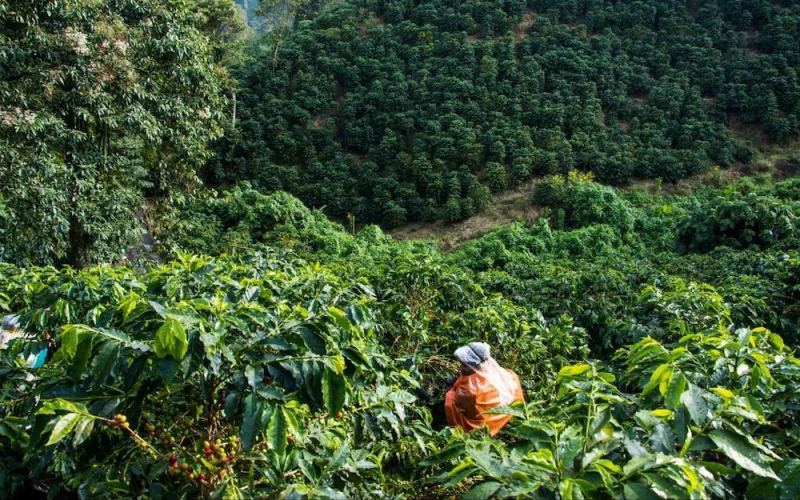
Ethiopian Coffee Flavor and Bean Variety Grading Explained: A Comprehensive Analysis of Heirloom Varieties, Regional Landraces, and Numeric Varieties
As the birthplace of Arabica coffee, the forests of southwestern Ethiopia nurture countless coffee varieties, which gives the local coffee a unique flavor that is hard to replicate. Because the varieties are extremely diverse, it is difficult for the government to name them one by one, so they are mostly referred to collectively as "heirloom varieties." On this basis, regional varieties and numbered lines beginning with 74 and 75 have also emerged. The grading of Ethiopian coffee beans is based on the number of defective beans, with five grades from G1 to G5, among which G1 and G2 are the highest quality. This time, Front Street Coffee uses washed Yirgacheffe G2 as the representative everyday coffee of the Ethiopian region, presenting the classic flavor of intertwined citrus, white flowers, honey, and tea-like notes, and also includes pour-over suggestions and bean-resting instructions to help coffee lovers gain a more complete understanding of the charm of Ethiopian coffee. [more…]